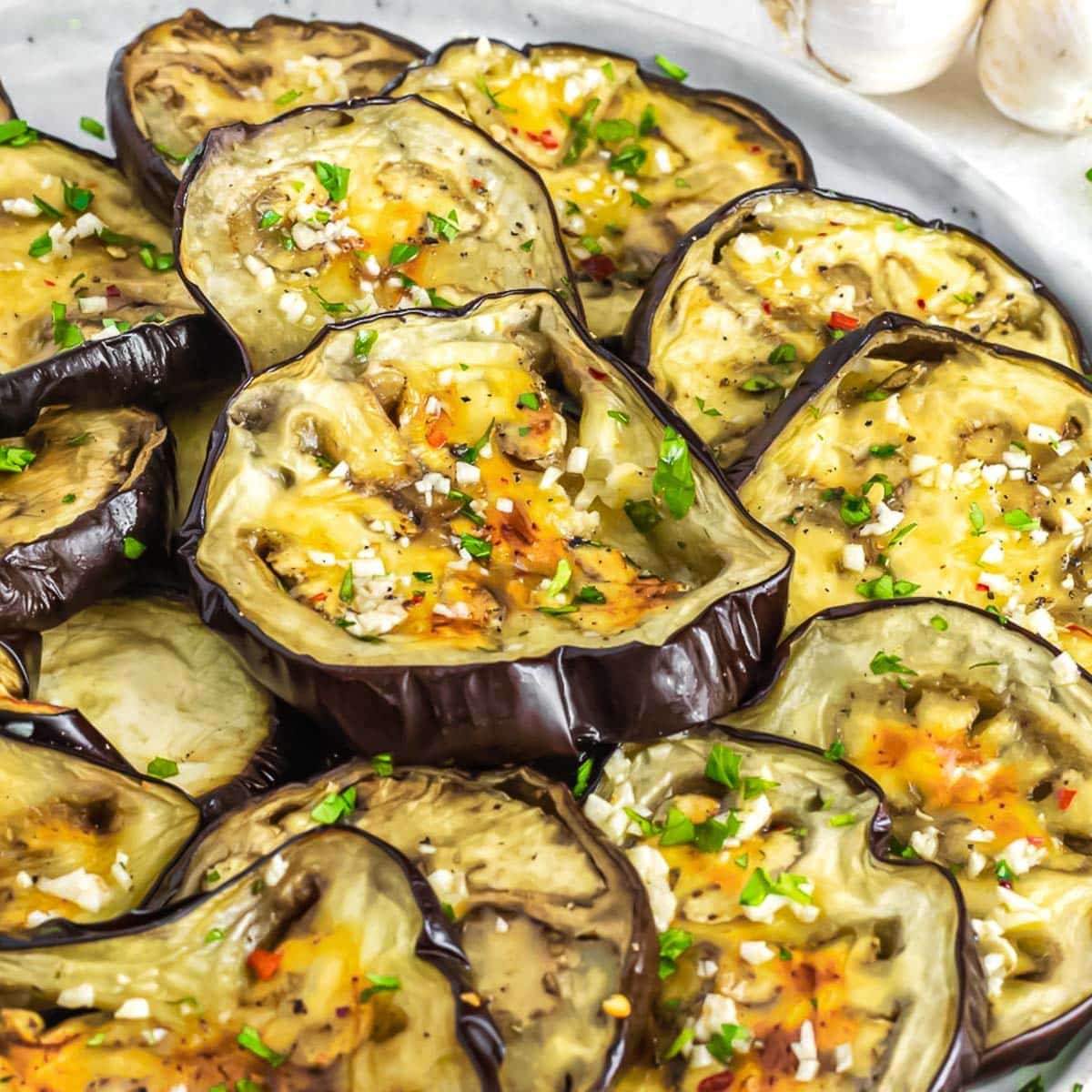
Master Roasted Eggplant: Essential Tips for Avoiding Mush
For many home cooks, the mere mention of roasting eggplant conjures images of a delicious side dish: tender, golden-brown pieces with a savory, almost creamy interior. Yet, for just as many, it sadly evokes memories of bland, watery, and distinctly mushy disappointment. The truth is, mastering a truly exceptional
roasted eggplant recipe isn't complicated, but it does require understanding a few critical techniques. Forget soggy results and embrace perfectly caramelized, melt-in-your-mouth eggplant every single time. This comprehensive guide will equip you with the knowledge to transform this versatile vegetable into a culinary star.
Eggplant has a high water content, which is often the culprit behind its potential for a mushy texture. When improperly roasted, this water can simply steam the eggplant rather than allowing it to caramelize. Our goal is to encourage moisture evaporation while simultaneously browning the exterior, leading to that coveted tender-crisp balance. Let's dive into the essential tips that will redefine your perception of roasted eggplant.
The Foundation: Choosing Your Eggplant Wisely
Your journey to perfect roasted eggplant begins even before you turn on the oven – it starts at the grocery store. Selecting the right eggplant is a crucial first step that many overlook. A quality eggplant will not only contribute to a better flavor but also a more appealing texture.
When shopping, look for an eggplant that possesses a smooth, shiny skin, free from blemishes, soft spots, or wrinkles. The skin should appear taut, indicating freshness. Lift the eggplant; it should feel surprisingly heavy for its size. This density often correlates with a good internal structure. Gently press on the skin; it should feel slightly firm, not rock-hard, but definitely not squishy or overly soft. A soft eggplant is likely past its prime and will be more prone to turning mushy during roasting. Finally, check the stem end: it should be green and fresh-looking, a clear sign of a healthy vegetable. Avoid any eggplants with brown, shriveled, or moldy stems. Opting for smaller to medium-sized eggplants can also be beneficial, as larger ones sometimes have more seeds and can be slightly more bitter. By taking these few moments to choose wisely, you’ll set yourself up for success with any
roasted eggplant recipe.
Precision Cuts: The Secret to Avoiding Mush
Once you’ve got your perfect eggplant, the next critical step in achieving that ideal texture is how you cut it. This is where many home cooks inadvertently sabotage their efforts, leading directly to a mushy outcome. The key here is uniformity and generous piece size.
Firstly, resist the urge to slice your eggplant too thinly. Thin slices, while seemingly quicker to cook, are more susceptible to overcooking and quickly turning into an unappetizing purée. For perfectly caramelized edges and a tender, yet still substantial, interior, aim for larger pieces. If you prefer slices, ensure they are no thinner than 1 inch. This thickness provides enough body to withstand the high heat of the oven, allowing the exterior to brown beautifully while the inside cooks through without collapsing.
Alternatively, if you prefer cubed eggplant, which offers more surface area for caramelization, cut your eggplant into 1-inch cubes or slightly larger. These substantial cubes will hold their shape, giving you that delightful bite and preventing them from becoming indistinguishable mush. Whether you choose slices or cubes, consistency in size across all pieces is paramount. Uneven pieces will cook at different rates, leaving some underdone and others overdone and soft. By adhering to these simple cutting guidelines, you'll ensure every piece of your roasted eggplant achieves that coveted tender-crisp balance, making any
Perfect Roasted Eggplant: Caramelized & Tender Every Time truly shine.
Heat and Hydration: Mastering the Roast
Now that your eggplant is prepped, it's time to talk about the actual roasting process. This stage is where the magic happens, and a few strategic moves will make all the difference between mushy disappointment and culinary triumph.
The first, and arguably most important, factor is oven temperature. A hot oven is absolutely non-negotiable for success. Forget low-and-slow approaches; a high temperature, typically between 400°F (200°C) and 425°F (220°C), is essential. This intense heat quickly sears the exterior of the eggplant, encouraging caramelization and browning, while allowing the interior to soften beautifully without becoming watery. A cooler oven will simply steam the eggplant, leading to that dreaded mushy texture we're trying to avoid. Preheat your oven thoroughly before adding the eggplant, ensuring it reaches the desired temperature.
Next, let's talk about oil. Eggplant is often described as a "sponge" for oil, and while it's true it can absorb a lot, being generous with olive oil is a critical step, not a drawback. Oil is the conductor of heat, ensuring crispness and promoting that gorgeous golden-brown caramelization. It also helps in preventing the eggplant from sticking to the baking sheet. For one medium to large eggplant, expect to use about 2-3 tablespoons of extra virgin olive oil. Toss the eggplant thoroughly with the oil, ensuring every piece is lightly coated. If any pieces still look dry, add a touch more oil. The oil creates a barrier and helps achieve that desired silky interior and crisp exterior.
Finally, proper arrangement on the baking sheet is crucial. Line your baking sheet with parchment paper to prevent sticking and make cleanup a breeze. Then, arrange your eggplant in a single layer, ensuring there’s ample space between each piece. Overcrowding the baking sheet is a common mistake that traps steam, preventing proper browning and leading directly to mushy eggplant. If necessary, use two baking sheets to give the eggplant room to breathe. Roast for 25 to 30 minutes, or until the eggplant is softened, beautifully golden brown, and caramelized at the edges. Don't be afraid to give the baking sheet a shake or flip the pieces halfway through for even cooking.
Beyond the Basics: Enhancing Your Roasted Eggplant
While a simple seasoning of salt, pepper, and olive oil produces wonderfully delicious roasted eggplant, there are many ways to elevate this versatile dish. Fresh lemon juice, as suggested in one of our foundational recipes, is a game-changer. A squeeze of fresh lemon juice immediately after roasting adds a vibrant, zesty finish that brightens the rich, earthy flavors of the eggplant. It cuts through the richness of the oil and enhances the overall taste profile.
For those looking to explore more complex flavor dimensions, a custom spice blend can transform your roasted eggplant into an unforgettable experience. Imagine a warm, toasty blend that offers savory, earthy, and subtly sweet notes. A fantastic blend, for example, combines black pepper, fennel, cumin, coriander, a touch of cinnamon, and a hint of clove. These spices, when toasted and ground, create an aromatic coating that adheres beautifully to the eggplant, developing incredible depth of flavor as it roasts. You can make a larger batch of this blend and keep it on hand for roasting other vegetables too! For detailed guidance on enhancing your flavors, check out our article on an
Easy Roasted Eggplant Recipe: Simple Seasoning or Spice Blend.
Roasted eggplant is incredibly versatile. Beyond being a fantastic side dish, it can be incorporated into numerous meals. Serve it alongside grilled meats, fish, or plant-based proteins. Toss it into pasta dishes, layer it in sandwiches, or add it to grain bowls for a burst of flavor and texture. It’s also excellent in salads, spread on crostini, or folded into warm pitas with a dollop of yogurt sauce. The possibilities are endless once you've mastered that perfect, non-mushy roast.
Conclusion
Achieving perfectly roasted eggplant that is tender on the inside, beautifully caramelized on the outside, and absolutely free of mush is well within your reach. By carefully selecting a firm, fresh eggplant, cutting it into substantial, uniform pieces, utilizing a hot oven, being generous with olive oil, and ensuring single-layer roasting, you'll consistently produce a dish that delights. Add a squeeze of lemon or explore a custom spice blend, and you'll elevate this humble vegetable to new culinary heights. Say goodbye to mushy eggplant and hello to a new favorite side dish that’s packed with flavor and satisfying texture.