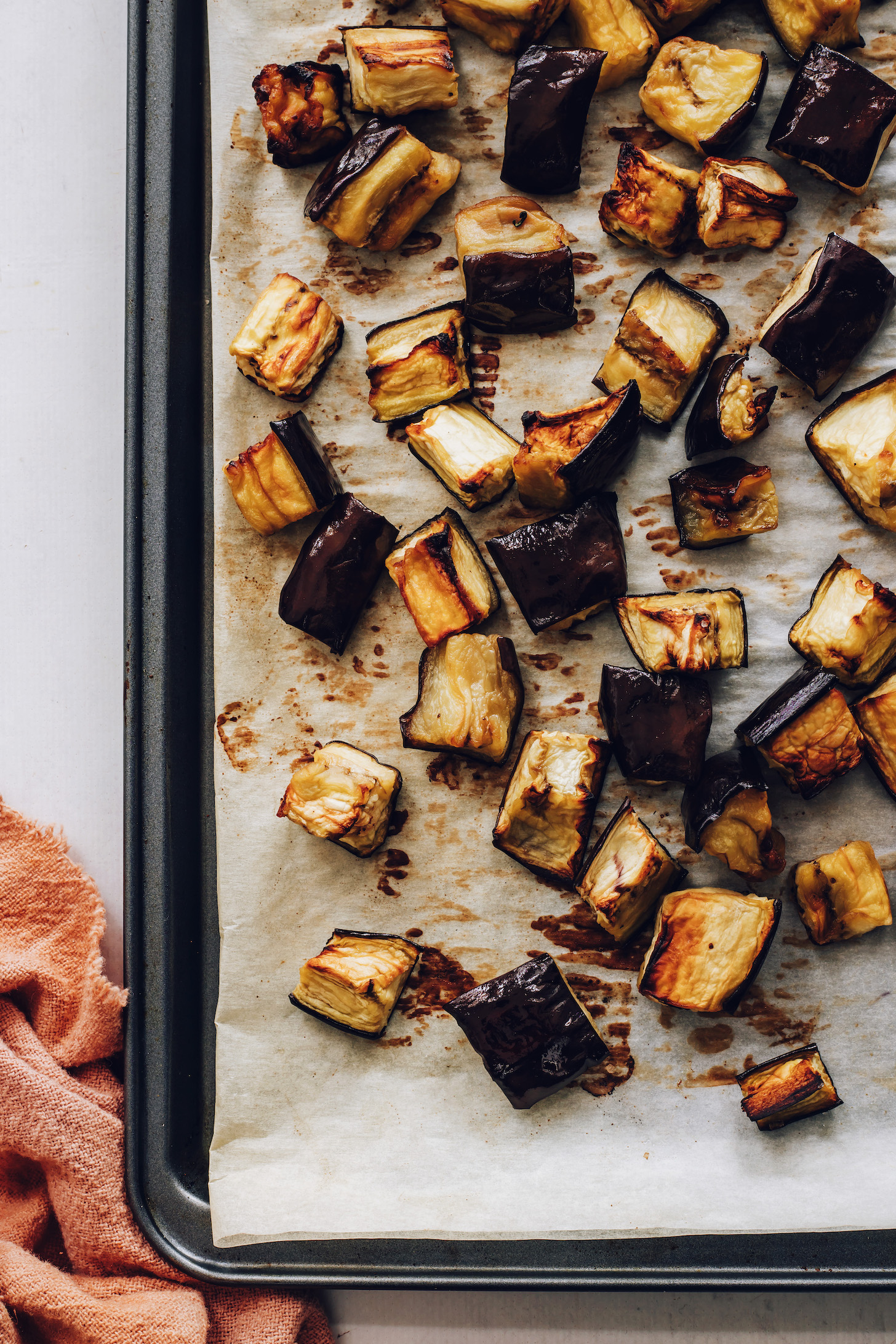
Perfect Roasted Eggplant: Caramelized & Tender Every Time
Eggplant has a reputation. Some adore its versatility and unique texture; others find it a culinary enigma, often resulting in a spongy, bland, or even mushy disappointment. But what if we told you that achieving perfectly caramelized, melt-in-your-mouth tender roasted eggplant is not only possible but incredibly simple? Forget the failed attempts of the past. This comprehensive guide will equip you with the knowledge and techniques to transform this beautiful purple vegetable into a star side dish, snack, or addition to countless meals, leaving you with an irresistible flavor that will convert even the staunchest eggplant skeptics.
The secret lies in understanding how eggplant behaves under high heat and how to coax out its natural sweetness and silken texture. We’ll dive into everything from selecting the right eggplant to the optimal cutting method, generous oiling, and the perfect oven temperature that guarantees a golden-brown exterior and a tender, almost custardy interior every single time. Prepare to fall in love with roasted eggplant.
The Magic of Roasting Eggplant: Unlocking Flavor and Texture
Why bother with roasting when there are so many other ways to cook vegetables? For eggplant, roasting is transformative. Unlike frying, which can make it greasy, or boiling, which often leads to waterlogged mush, high-heat roasting brings out the best in this often-misunderstood vegetable. The dry heat of the oven not only tenderizes the eggplant but also encourages a process called the Maillard reaction, responsible for that coveted golden-brown caramelization on the edges. This reaction develops incredible depth of flavor – a savory, slightly sweet, and earthy note that is simply unmatched by other cooking methods.
When roasted correctly, eggplant sheds its sometimes-bitter reputation and becomes a versatile canvas for a myriad of flavors. It’s no longer just a side dish; it can be the star of a meal, adding substance and rich flavor to salads, pastas, grain bowls, sandwiches, and even dips. The key is to achieve that perfect balance: an appealingly crisp, browned exterior that gives way to a soft, silky, almost creamy interior. This guide focuses on giving you that precise outcome, ensuring your Master Roasted Eggplant: Essential Tips for Avoiding Mush will be a consistent success.
Mastering the Perfect Roast: Key Techniques & Tips for Success
Achieving perfectly caramelized and tender eggplant isn't about complex culinary skills; it's about a few straightforward, yet crucial, techniques. Pay attention to these details, and you'll consistently produce roasted eggplant that's irresistible.
- Eggplant Selection is Paramount: Your dish begins at the grocery store. When shopping for eggplant, look for ones with smooth, taut, and shiny skin. It should feel heavy for its size, indicating it’s full of moisture, not dried out. Gently press on the skin; it should feel slightly firm but give a little, bouncing back. Avoid eggplants that are overly hard, have wrinkled or dull skin, or soft spots, as these are signs of age or damage. The stem end should be green and fresh-looking, free of any brown spots or mold.
- Cut into Generous Pieces: This is a game-changer. Don't go too thin! For optimal caramelization and to prevent your eggplant from turning to mush, cut it into substantial pieces. Aim for slices no thinner than 1 inch thick, or 1-inch cubes. Larger pieces allow the exterior to brown beautifully while the interior cooks to a tender, silky consistency. Thin pieces tend to dry out quickly or become overly soft before they have a chance to caramelize properly.
- Be Generous with the Oil: Eggplant is like a sponge, and it needs fat to facilitate browning and develop flavor. Don't be shy with the olive oil! For one large eggplant, you'll likely need 2-3 tablespoons of good quality extra virgin olive oil. The oil helps conduct the high heat, prevents sticking, and creates that crisp, golden exterior. A well-oiled eggplant will roast, not steam, and achieve that coveted silky interior.
- Heat It Up: A Hot Oven is Essential: Temperature is critical. Set your oven to a high heat, ideally between 400°F (200°C) and 425°F (220°C). A hot oven ensures that the eggplant begins to brown and caramelize quickly, cooking through before it has a chance to release too much moisture and become soggy. Lower temperatures will lead to a longer cooking time, often resulting in a duller, less flavorful product.
- Don't Overcrowd the Pan: This is a common mistake that undermines the best roasting efforts. When eggplant pieces are too close together on the baking sheet, they release steam rather than roasting. This creates a moist environment that prevents browning and leads to a steamed, rather than roasted, texture. Ensure a single layer with plenty of space around each piece. If you have a lot of eggplant, use two baking sheets.
- Season Thoughtfully: While simple salt and pepper are always a great start, a thoughtful spice blend can elevate your roasted eggplant to new heights. We’ll discuss some fantastic options below, but remember to season generously. Salt draws out moisture and enhances flavor, while pepper adds a subtle kick.
- Parchment Paper for Easy Cleanup: Line your baking sheet with parchment paper. This not only makes cleanup a breeze but also helps prevent sticking, ensuring that all those delicious caramelized bits stay on the eggplant and not on your pan.
Ingredients for Your Best Roasted Eggplant Recipe
Simplicity is key to letting the eggplant's natural flavor shine. Here’s what you’ll need for this perfect roasted eggplant recipe:
- 1 large eggplant: Choose one that's firm, shiny, and heavy for its size.
- 3 tablespoons extra virgin olive oil: Don't skimp; this is crucial for texture and flavor.
- Salt and freshly ground black pepper: To taste, but be generous enough to season all surfaces.
- 2 tablespoons fresh lemon juice: A bright finish that wakes up the flavors.
- Optional Spice Blend (highly recommended!):
- 1 teaspoon black pepper
- ½ teaspoon ground fennel (or whole, ground)
- ½ teaspoon ground cumin (or whole, ground)
- ½ teaspoon ground coriander (or whole, ground)
- ¼ teaspoon ground cinnamon
- Pinch of ground clove
For the best results with the spice blend, if using whole spices, grind them fresh using a spice grinder or a mortar and pestle. This releases their full aromatic potential.
Step-by-Step Guide to Flawless Roasted Eggplant
Follow these steps for a roasted eggplant recipe that will impress every time:
- Preheat Your Oven: Position an oven rack in the middle and preheat your oven to 400-425°F (200-220°C). Line a large baking sheet with parchment paper for easy cleanup.
- Prepare the Eggplant: Wash the eggplant thoroughly. Trim off the stem end. Slice the eggplant in half lengthwise. Then, cut each half into quarters lengthwise. Finally, cut each quarter into 1 to 1.5-inch pieces. Alternatively, you can cut the eggplant into 1-inch cubes. The goal is consistent, substantial pieces.
- Oil and Season Generously: Place the cut eggplant pieces into a large mixing bowl. Drizzle with 3 tablespoons of extra virgin olive oil, ensuring every piece is well-coated. You may need to add a bit more if the eggplant seems dry. Season generously with salt and pepper. If using the spice blend, sprinkle it over the eggplant and toss everything thoroughly until all surfaces are coated evenly.
- Arrange on Baking Sheet: Transfer the seasoned eggplant to your prepared baking sheet. Spread the pieces out in a single layer, ensuring they are not touching. This is crucial for roasting, not steaming. If necessary, use two baking sheets to avoid overcrowding.
- Roast to Perfection: Place the baking sheet(s) in the preheated oven. Roast for 25 to 35 minutes, or until the eggplant is deeply golden brown and caramelized around the edges, and incredibly tender when pierced with a fork. Halfway through the cooking time (around 15-20 minutes), give the eggplant a gentle toss or flip to ensure even browning.
- Finish and Serve: Remove the roasted eggplant from the oven. Immediately sprinkle with fresh lemon juice. The acidity brightens the rich, savory flavors. Serve hot and enjoy the perfect balance of caramelized exterior and tender interior.
Beyond the Basic: Elevated Flavors & Serving Suggestions
While a simple salt, pepper, and lemon juice finish is undeniably delicious, don't hesitate to experiment with the flavors of your roasted eggplant recipe.
- Embrace the Spice Blend: As mentioned in our Easy Roasted Eggplant Recipe: Simple Seasoning or Spice Blend, the blend of black pepper, fennel, cumin, coriander, cinnamon, and clove adds a warm, earthy, and aromatic dimension that perfectly complements eggplant. Make a larger batch and store it in an airtight container for future use on other roasted vegetables!
- Garlic & Herbs: Toss the eggplant with a few minced garlic cloves before roasting, or sprinkle with fresh chopped parsley, basil, or mint after it comes out of the oven.
- A Touch of Sweetness & Tang: A drizzle of balsamic glaze after roasting adds a wonderful sweet and tangy note.
- Cheesy Goodness: A sprinkle of grated Parmesan cheese during the last 5-10 minutes of roasting, or crumbled feta cheese added after, can add a savory, salty kick.
- Serving Suggestions:
- Side Dish: A fantastic accompaniment to grilled meats, fish, or chicken.
- In Salads: Add warm or cooled roasted eggplant to your favorite green salads, grain bowls, or even potato salads for added texture and flavor.
- Pasta Dishes: Stir into pasta with a light tomato sauce, pesto, or simply olive oil and garlic.
- Sandwiches & Wraps: Layer it into veggie sandwiches, pitas, or wraps with hummus and fresh greens.
- Dips & Spreads: The tender texture makes it a great base for dips like a quick baba ghanoush.
- Appetizers: Serve warm with a dollop of Greek yogurt or labneh, a sprinkle of fresh herbs, and a drizzle of olive oil.
Conquering roasted eggplant is a rewarding culinary achievement that opens up a world of delicious possibilities. By focusing on proper selection, generous oiling, strategic cutting, and a hot oven, you can consistently achieve that perfect balance of caramelized edges and a tender, silky interior. No more spongy or mushy eggplant – just pure, flavorful satisfaction. So go ahead, grab an eggplant, follow these steps, and discover your new favorite way to enjoy this incredible vegetable. Happy roasting!
